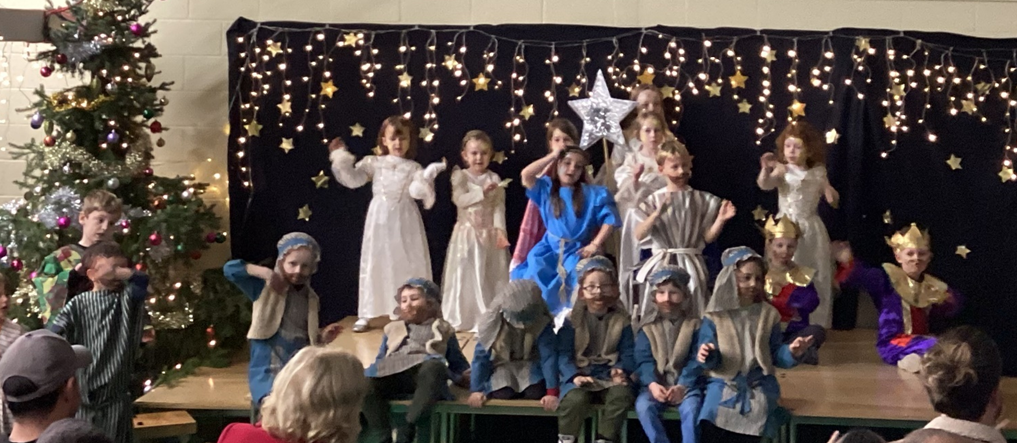
Religious Education
Birchanger Primary School is a Church of England voluntary controlled school and follows the Essex SACRE Agreed Syllabus for Religious Education. The RE curriculum is guided by the Church of England's Statement of Entitlement, ensuring that all pupils are entitled to a high-quality, inclusive and ambitious Religious Education that enables them to flourish. Being a Church of England school, RE is of great importance within our curriculum. In line with Section 279 (1) School Standards and Framework Act, our RE Curriculum ‘promotes the spiritual, moral, cultural, mental and physical development of pupils and of society, and prepares pupils for the opportunities, responsibilities and experiences of later life’. The curriculum offers our pupils broad and rich topic coverage, spanning over several of the main world religions whilst also allowing them the opportunity to learn that there are those who do not hold religious beliefs. Our RE Curriculum provides opportunities for pupils to develop positive attitudes and values and to reflect and relate their learning in RE to their own experience. Through each unit, children will learn about and understand a range of religions and world views. They will learn through theological, philosophical and human and social science approaches. The children will study religions via in-depth studies and encounters, regularly applying their knowledge to current affairs and real-world issues. Overall, our curriculum aims to enable our children to hold balanced and well-informed conversations about religion and worldviews.
Our Curriculum